˄

Category: case_study_EN

  • Case report 3 – Lower Back Pain Radiating Down on the Left Leg

    Cox® Technic Case Report of the Month – www.coxtechnic.com ‐ sent July 2024

    Lower Back Pain Radiating Down on the Left Leg

    by Niko Kalogeropoulos DC

    A 39 y.o. male patient presented to my clinic a year ago complaining of lower back pain radiating down the left posterior lateral thigh into the left posterior lateral calf and lateral aspect of the foot. Numbness and tingling was also present.  Walking with the family would be from park bench to park bench, with longer periods of rest than actual walking! Besides the pain and numbness in the leg the hamstring muscles were tight and pulling when he was upright Nights were difficult with pain interrupting sleep, seated was impossible without being forward flexed resting on thighs. Coughing, sneezing and getting out of a chair increased leg pain.  Five months prior to his visit he had fallen off his motorbike, injuring his right shoulder.

    He was brought in by his father as he could not drive. There was distress on his face. A slight anterior antalgia and a short gait.

    ON EXAMINATION:

    B SI joints and lumbar fixations, forward flexion was about 40 degrees when pain in LB and leg began.  Left leg was short, Left Straight Leg Raise caused pain at about 30 degrees, Myotomes and reflexes revealed no abnormalities.

    IMAGING:

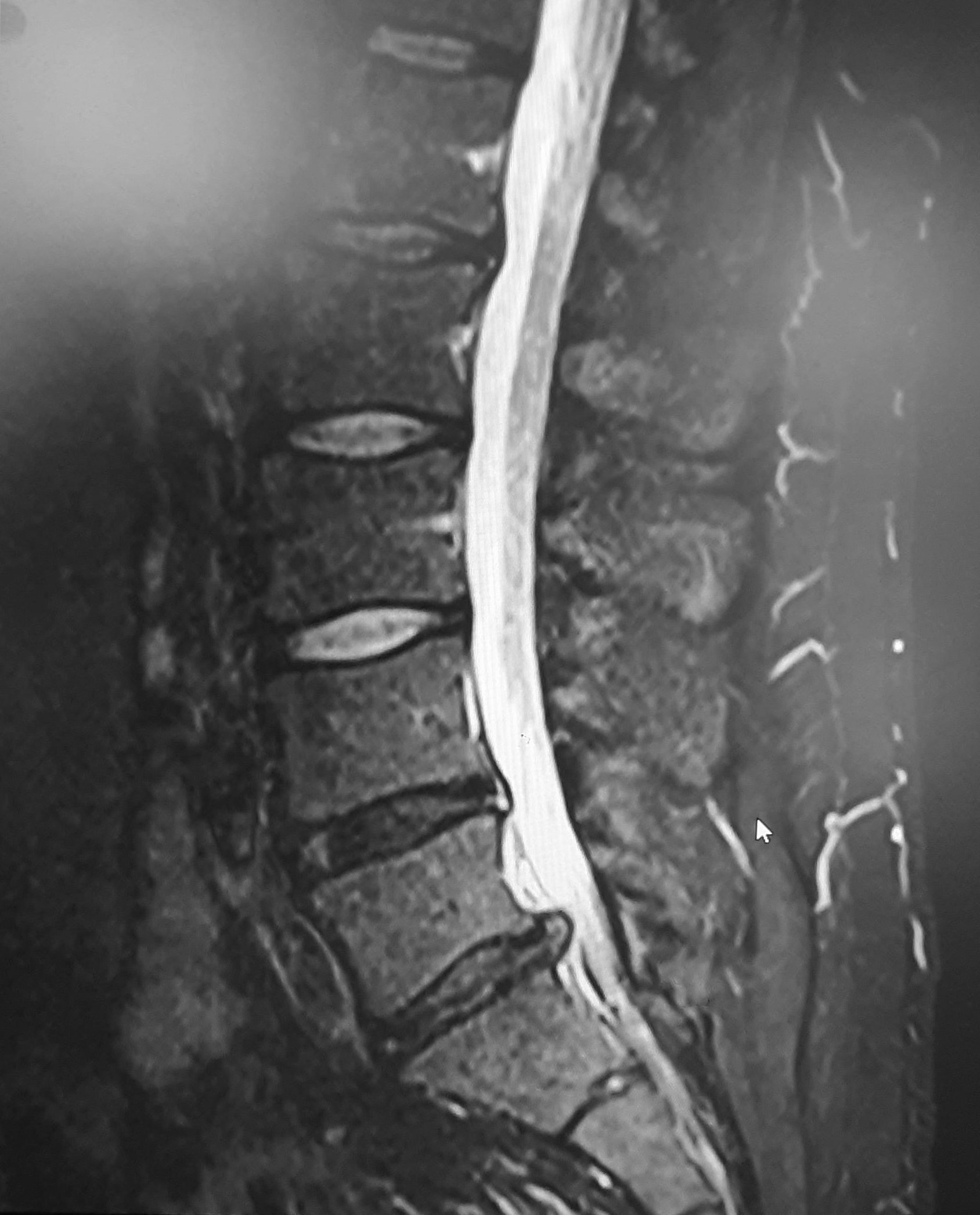
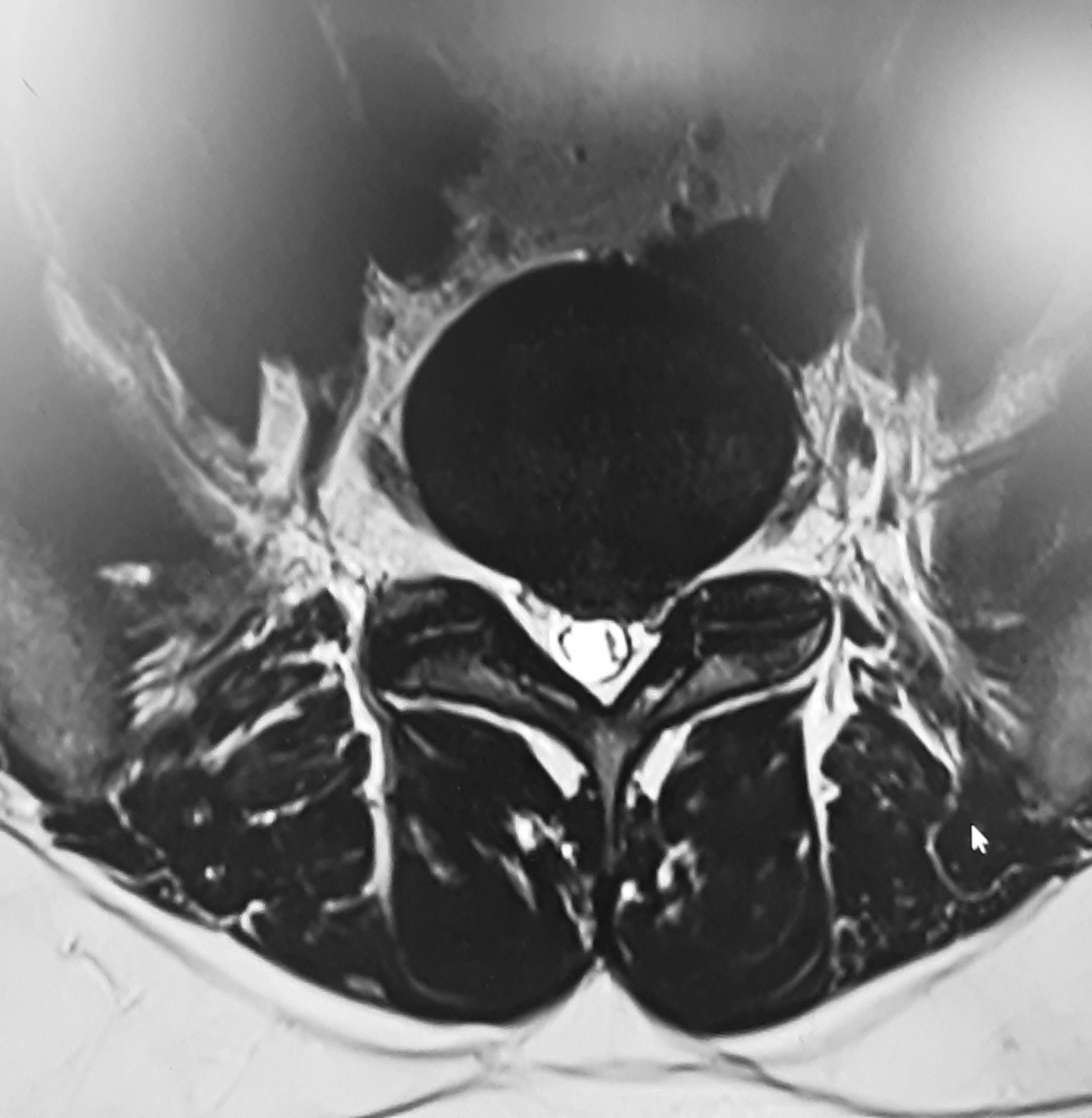
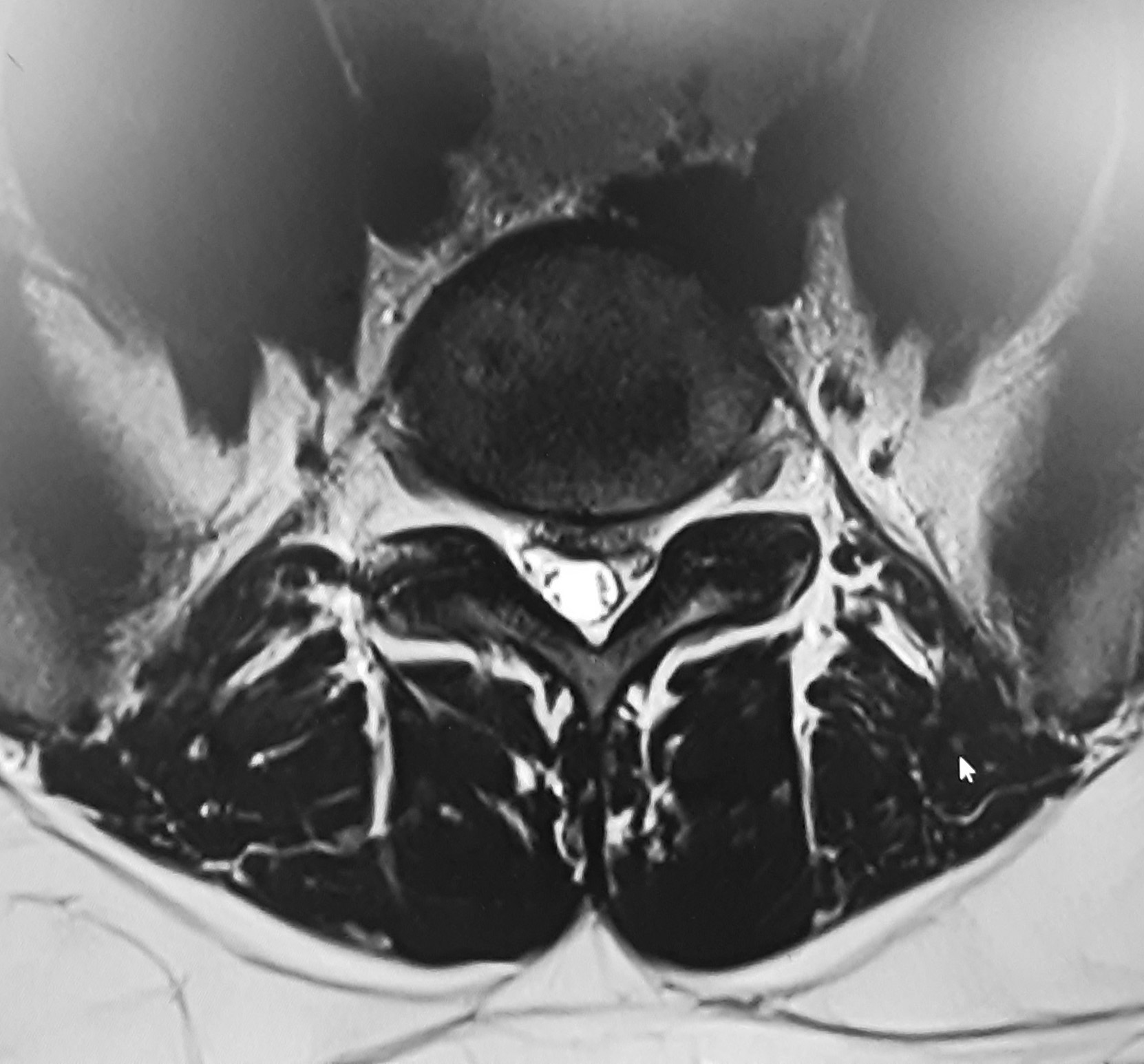
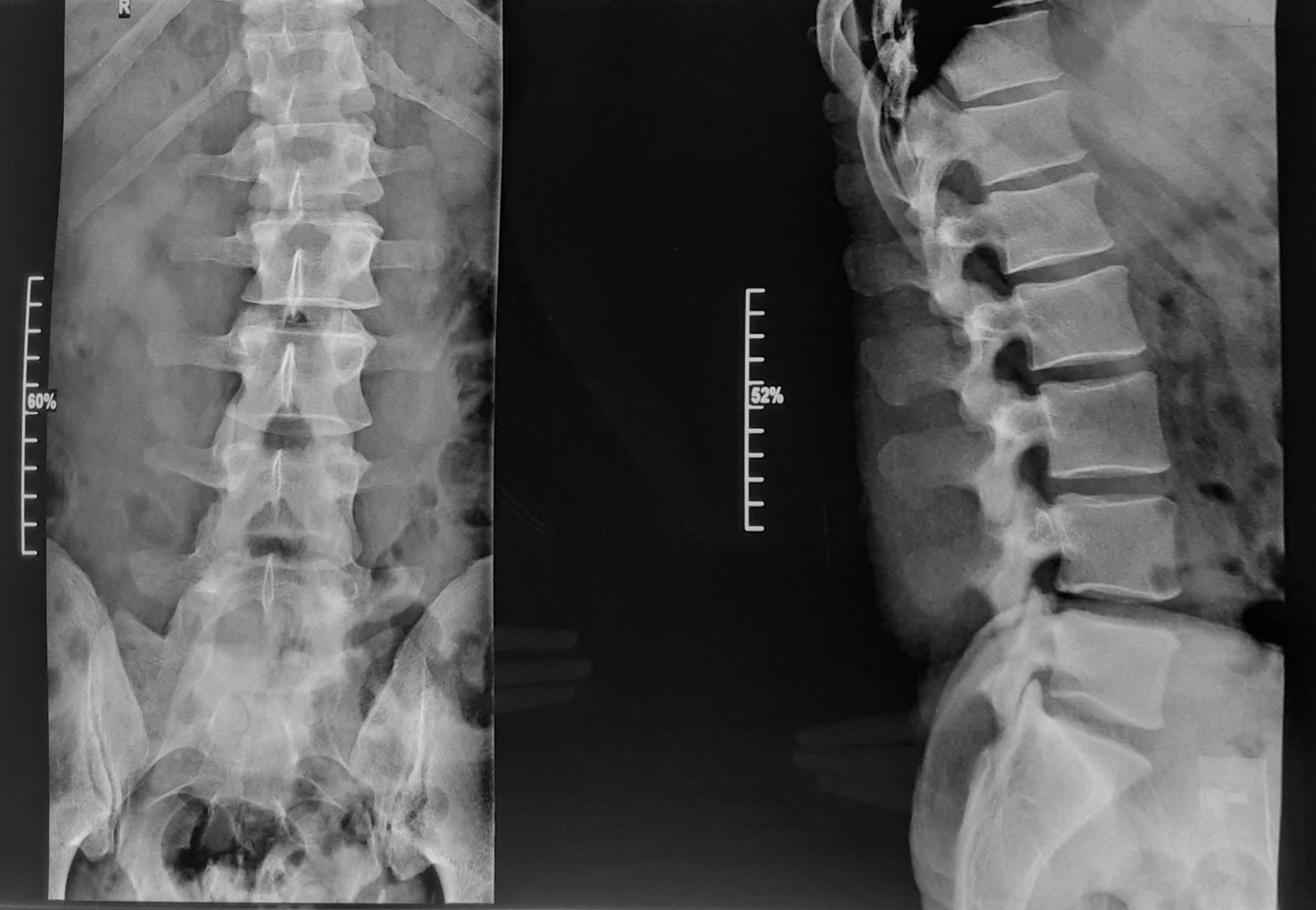
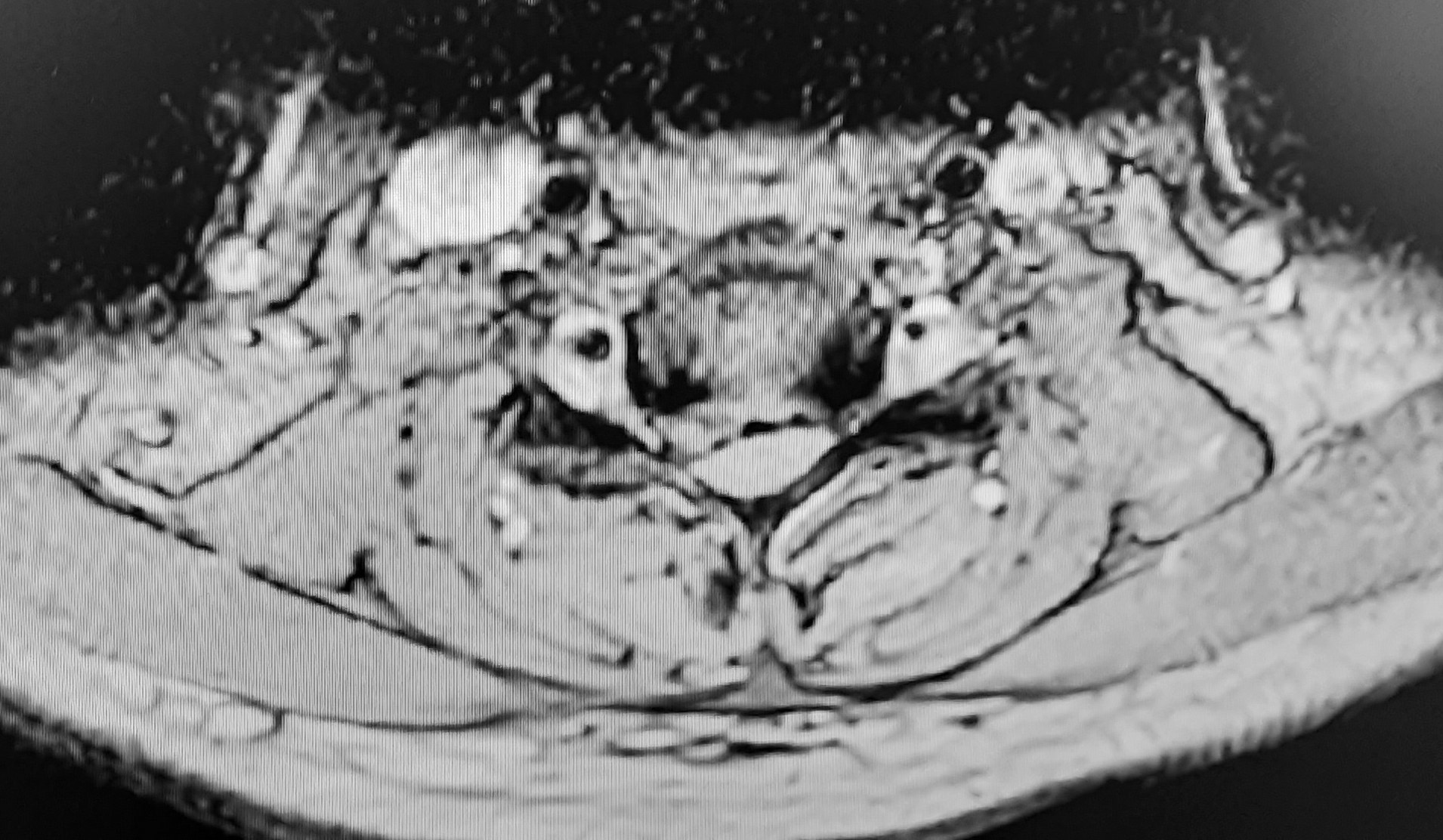
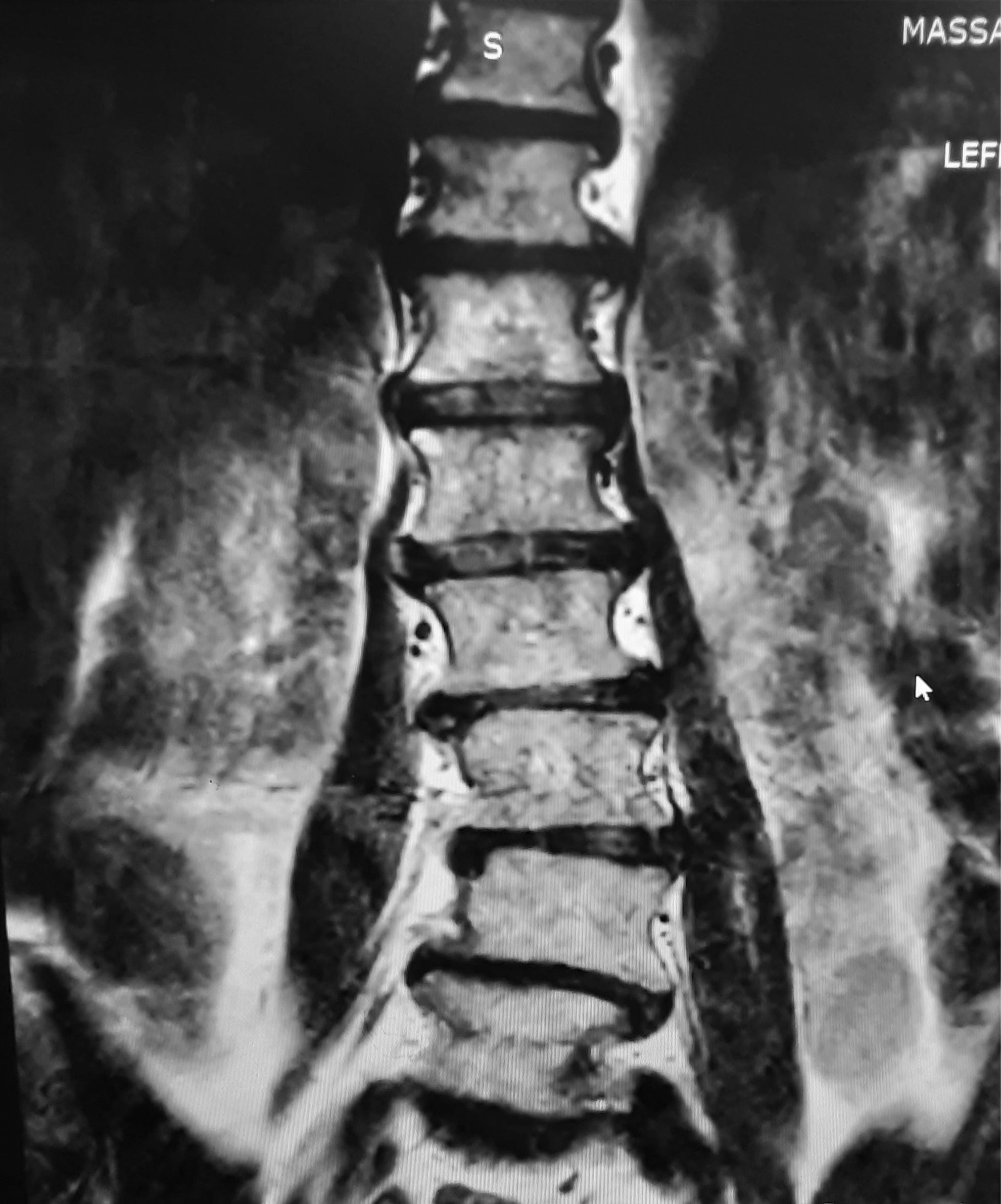
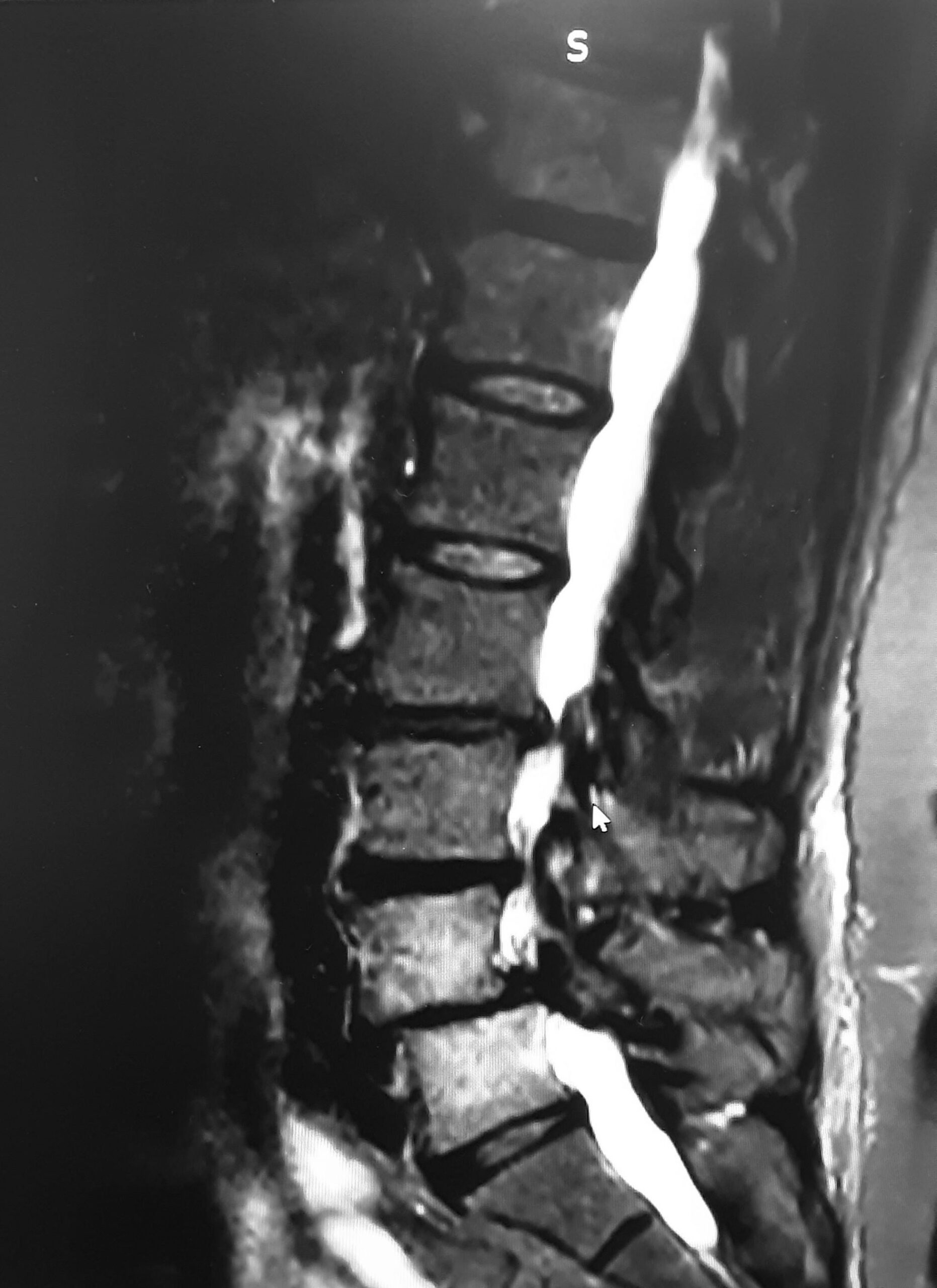
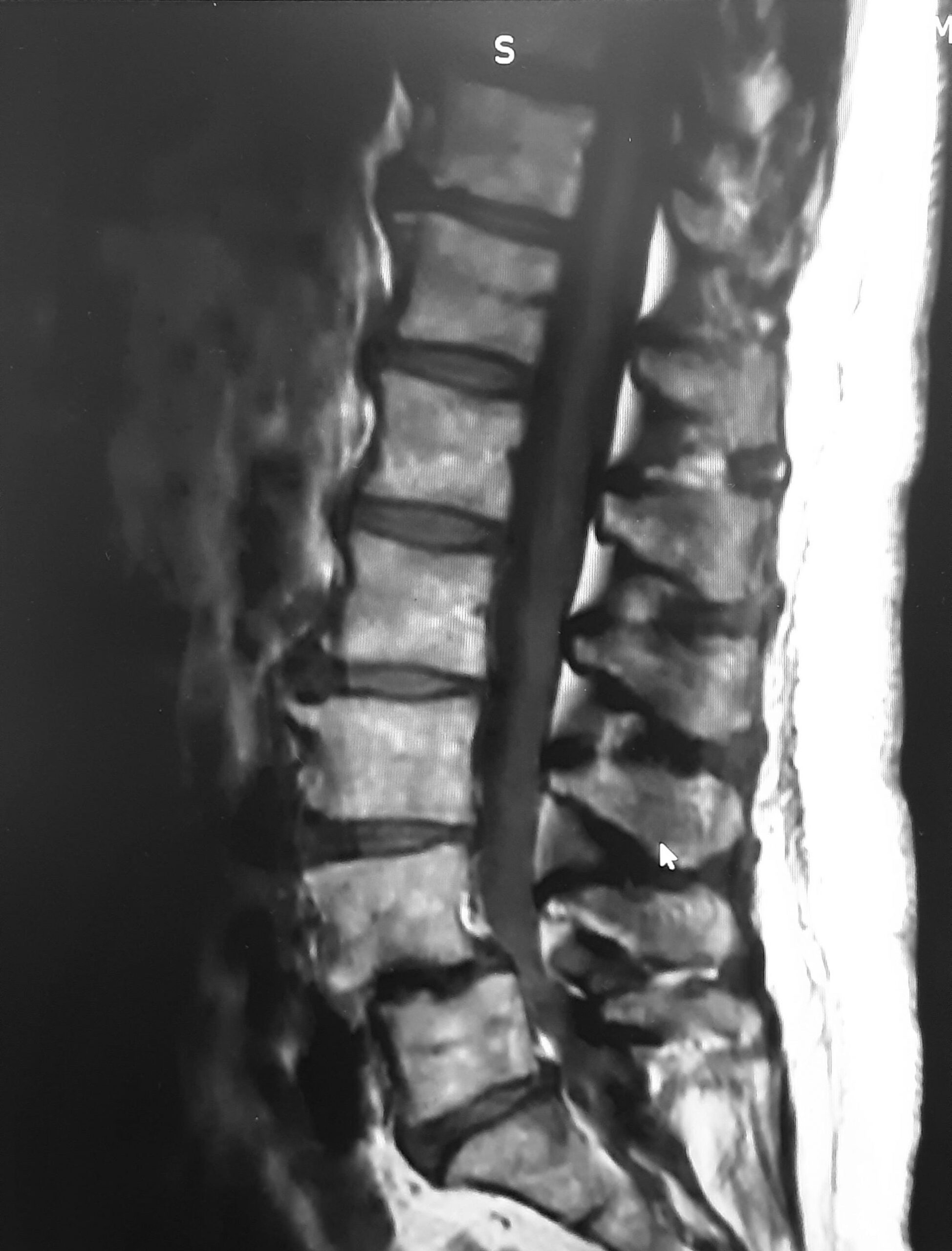
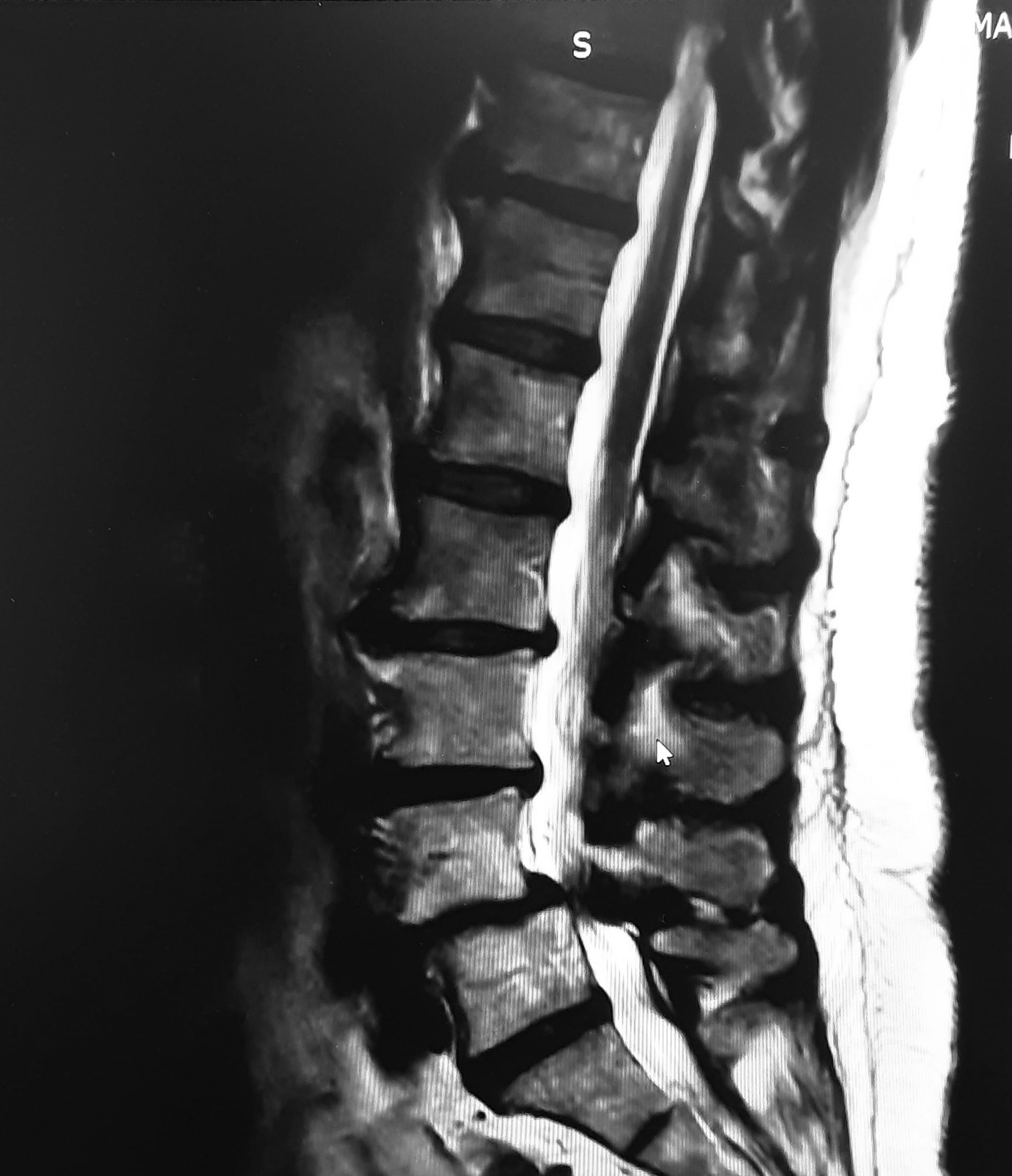
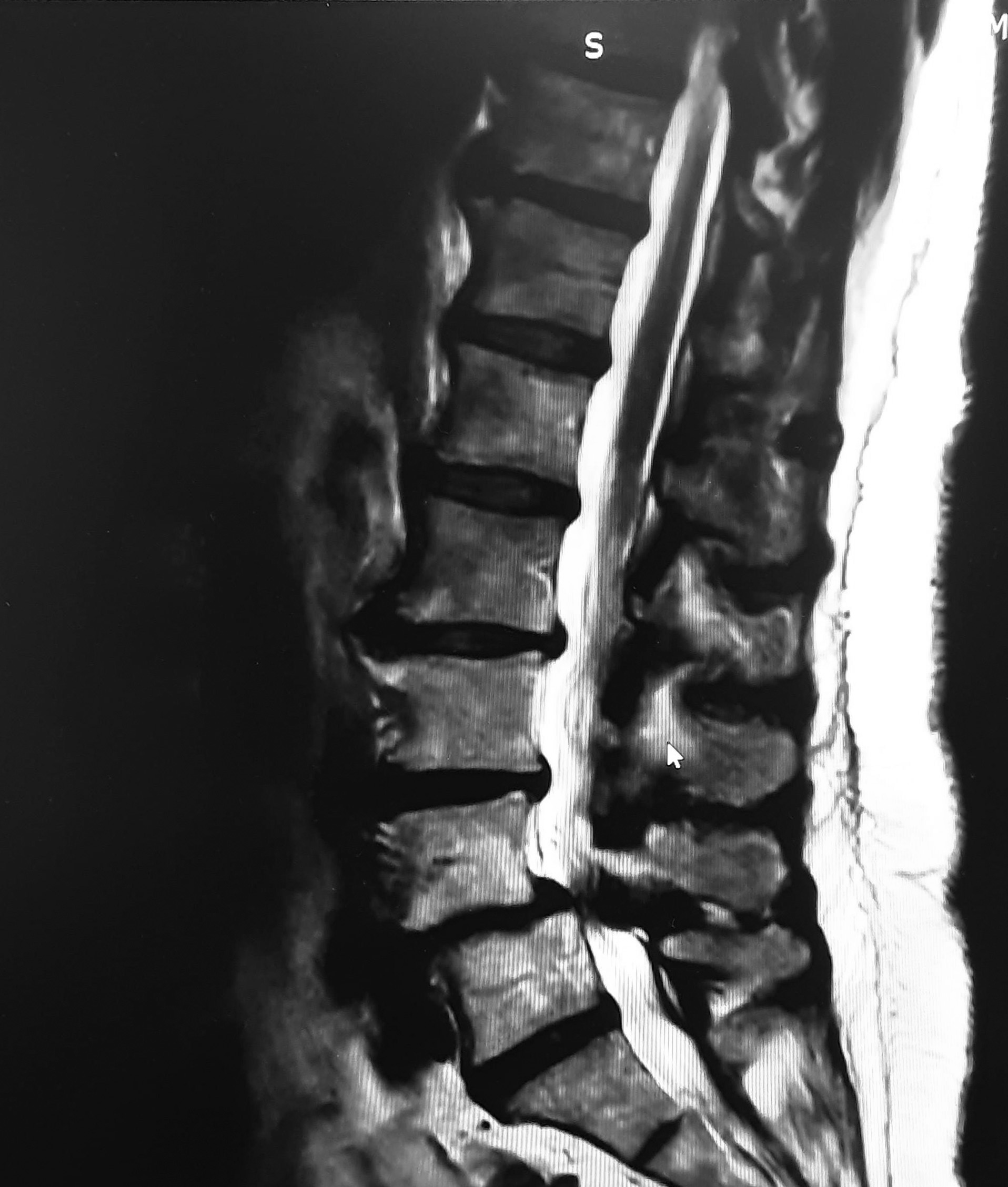
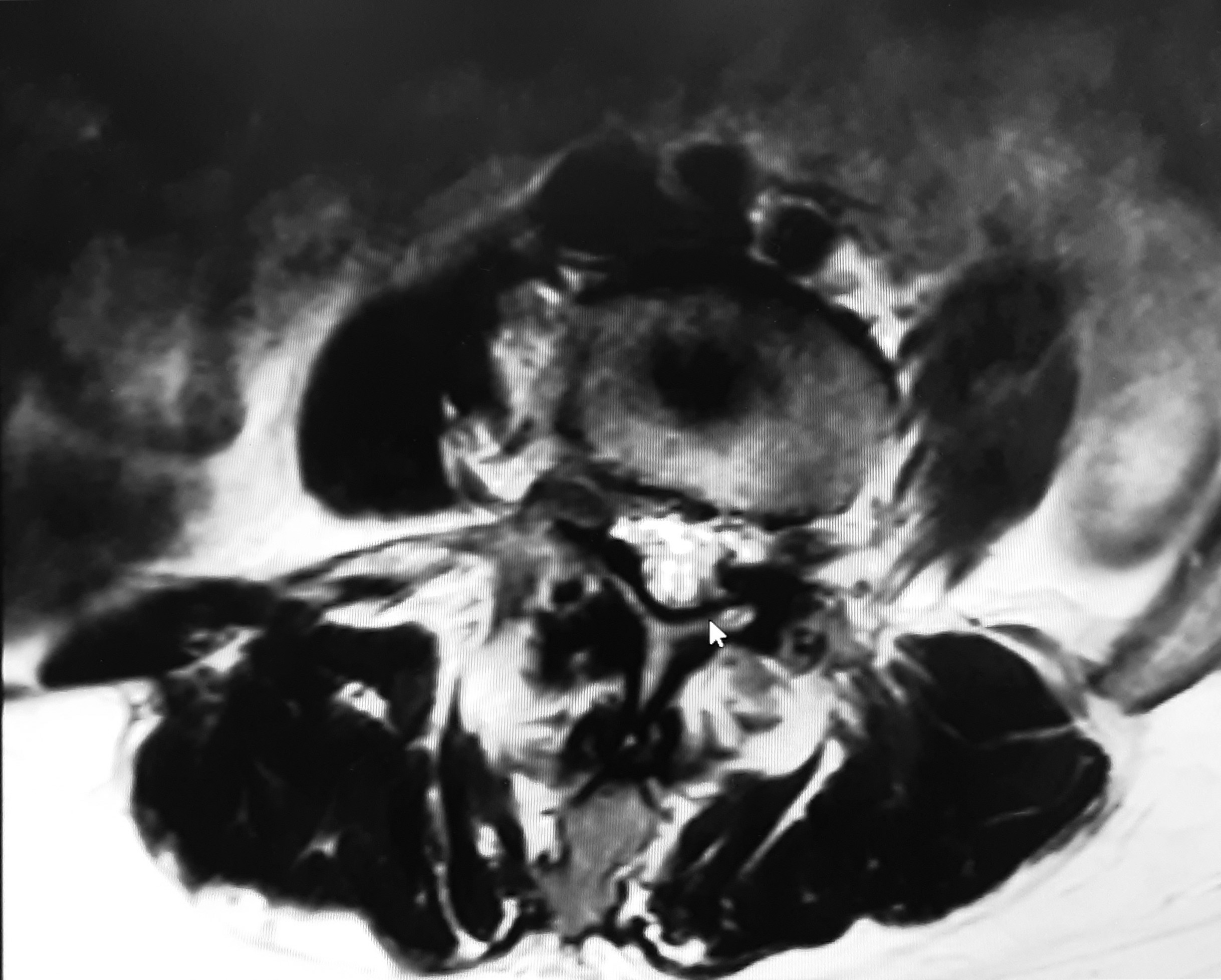
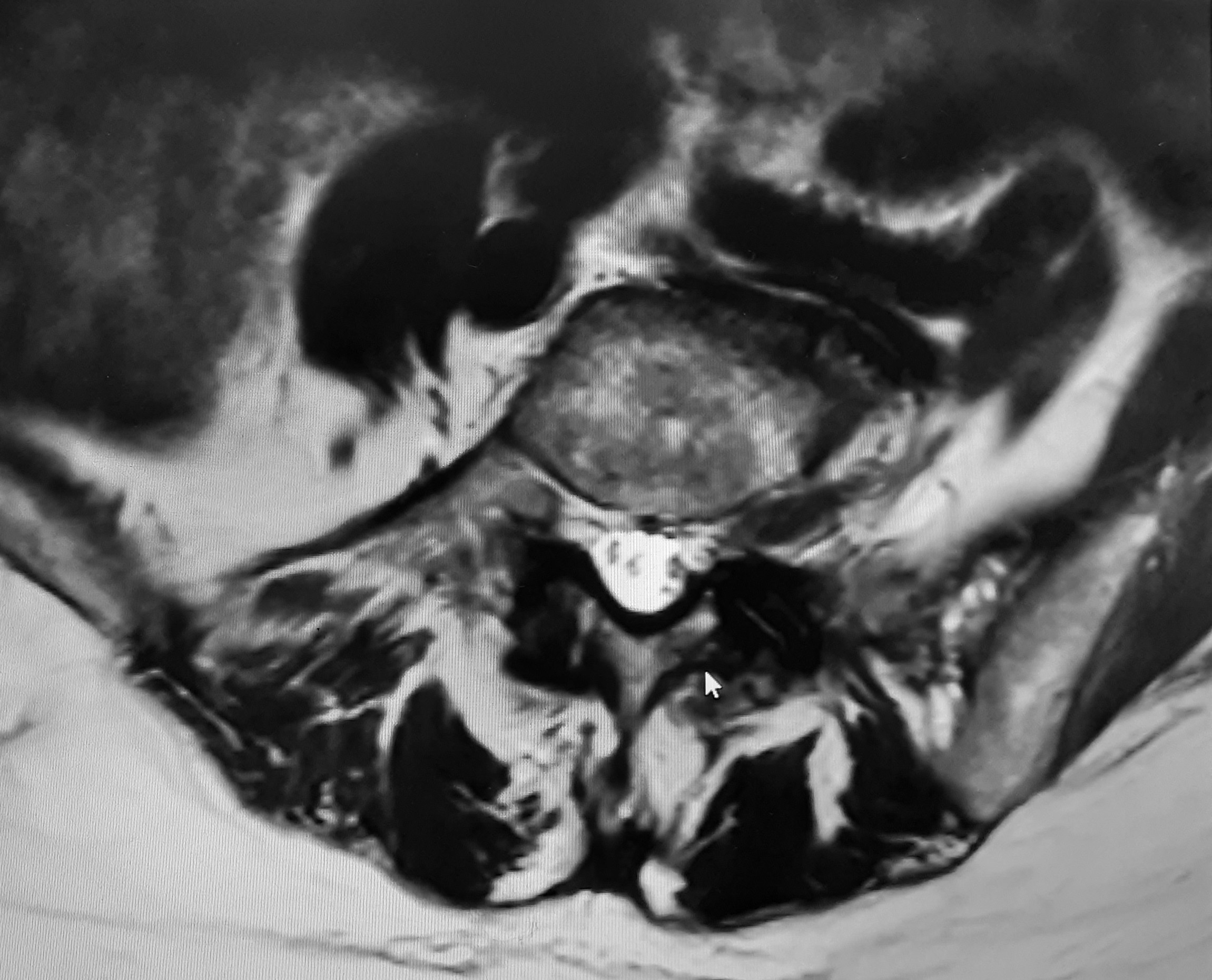
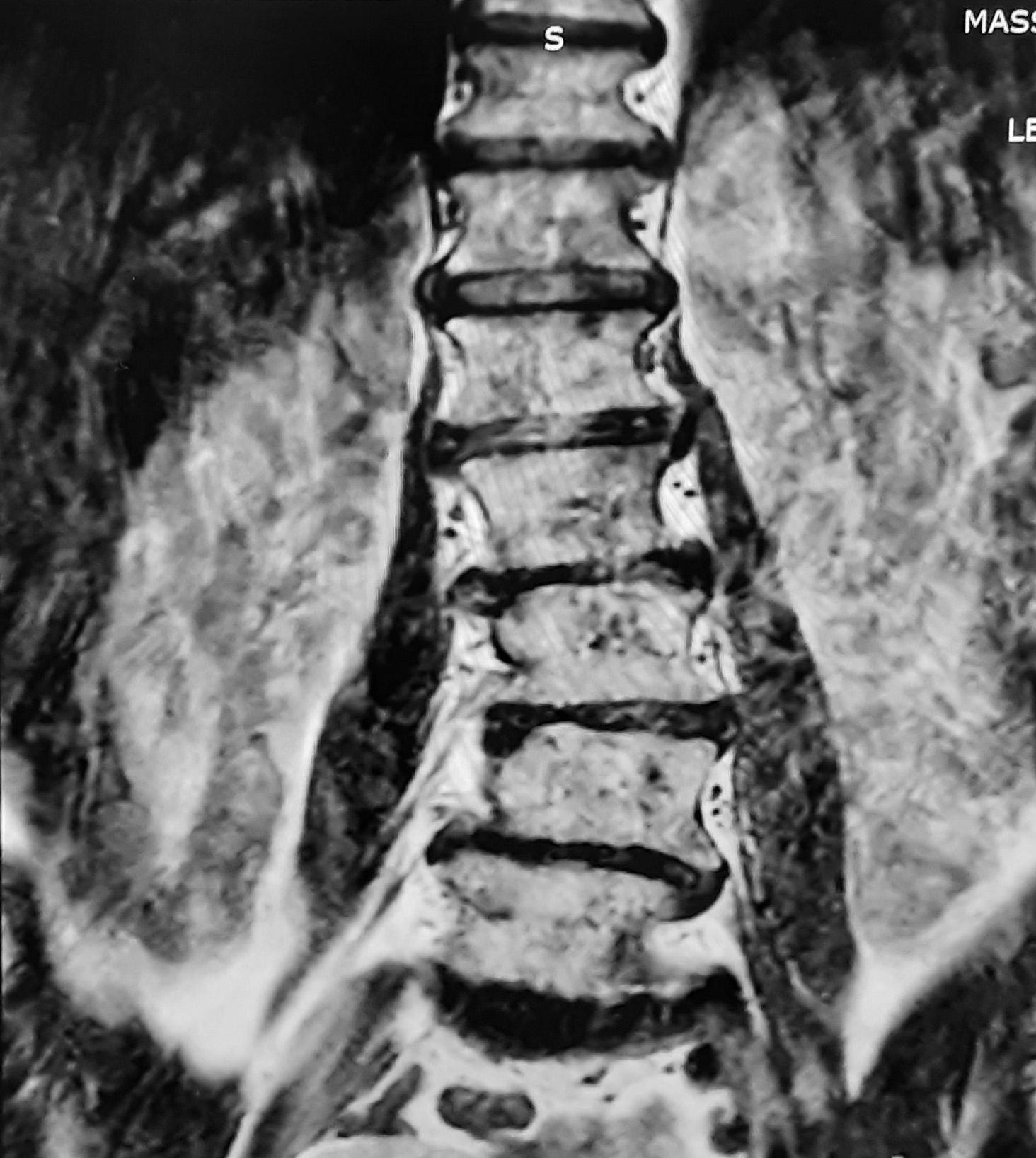
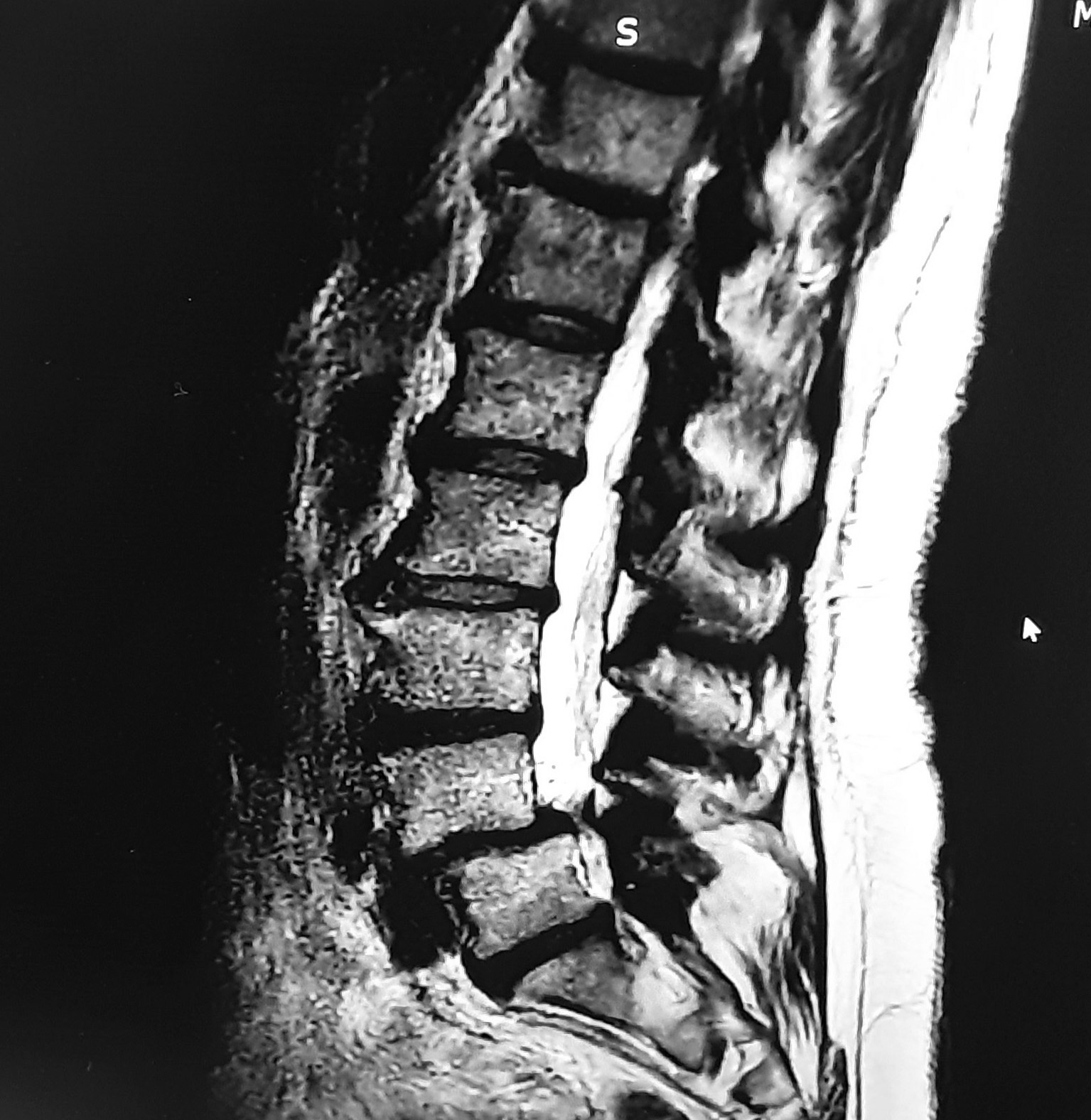
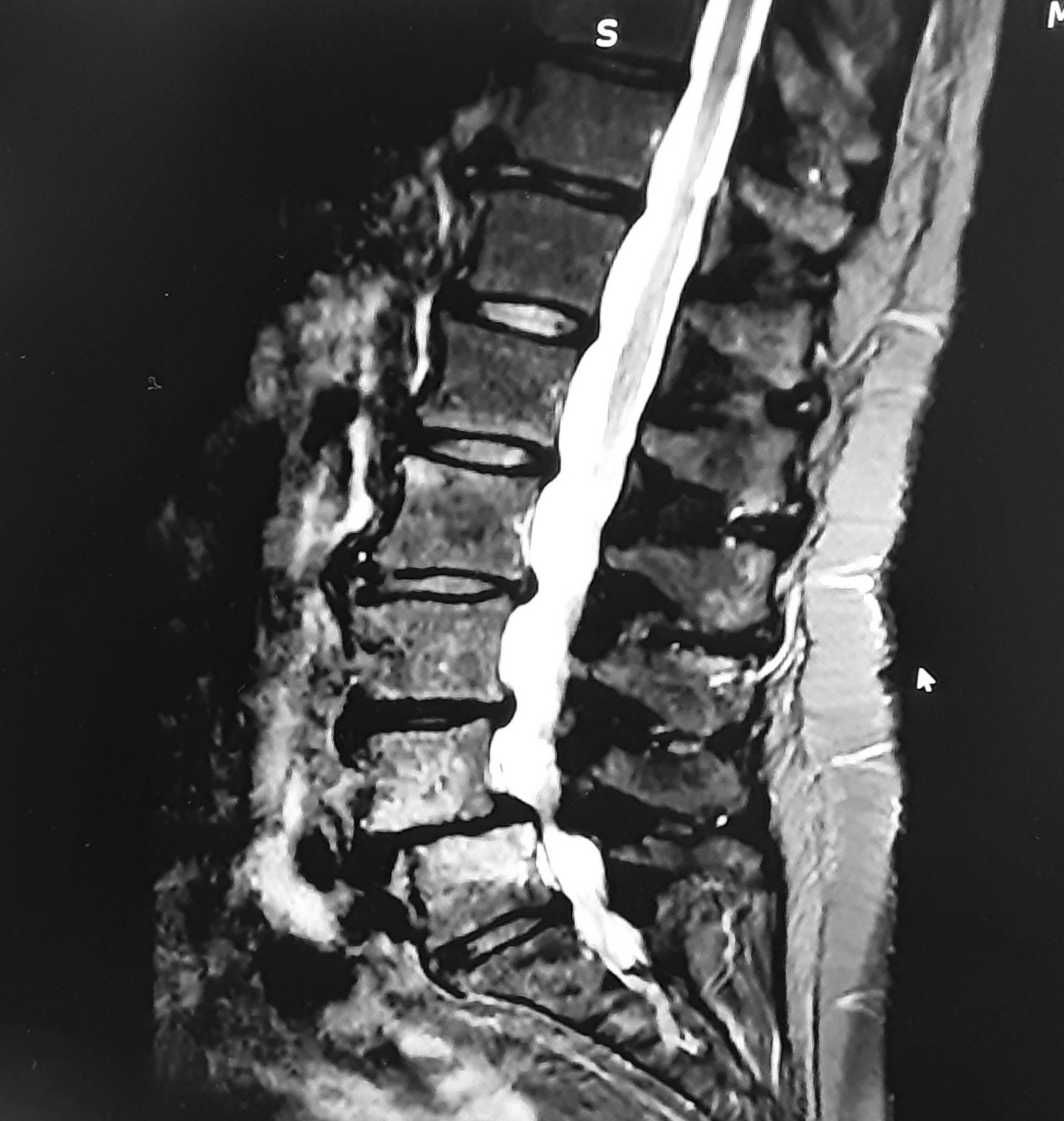
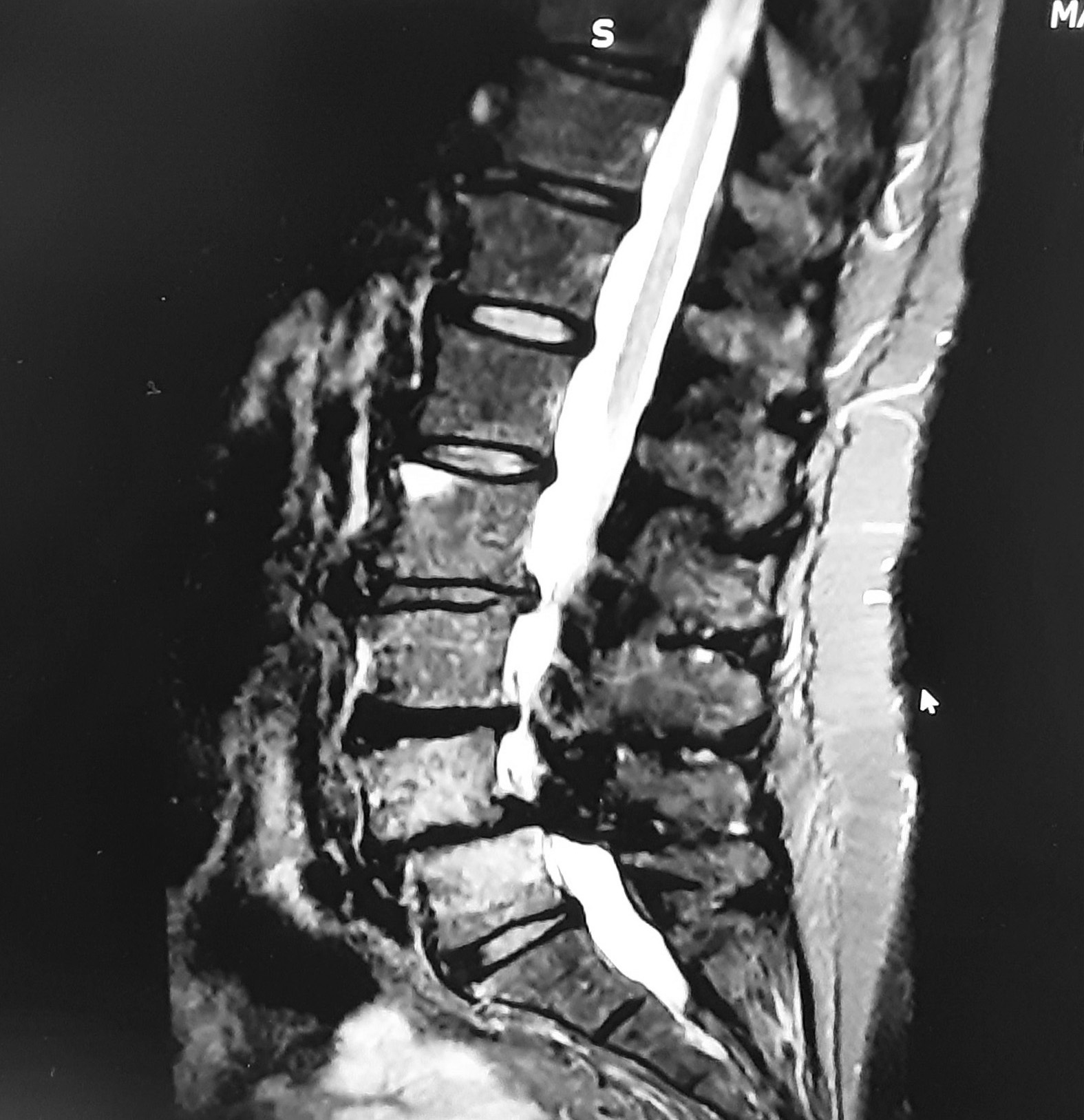
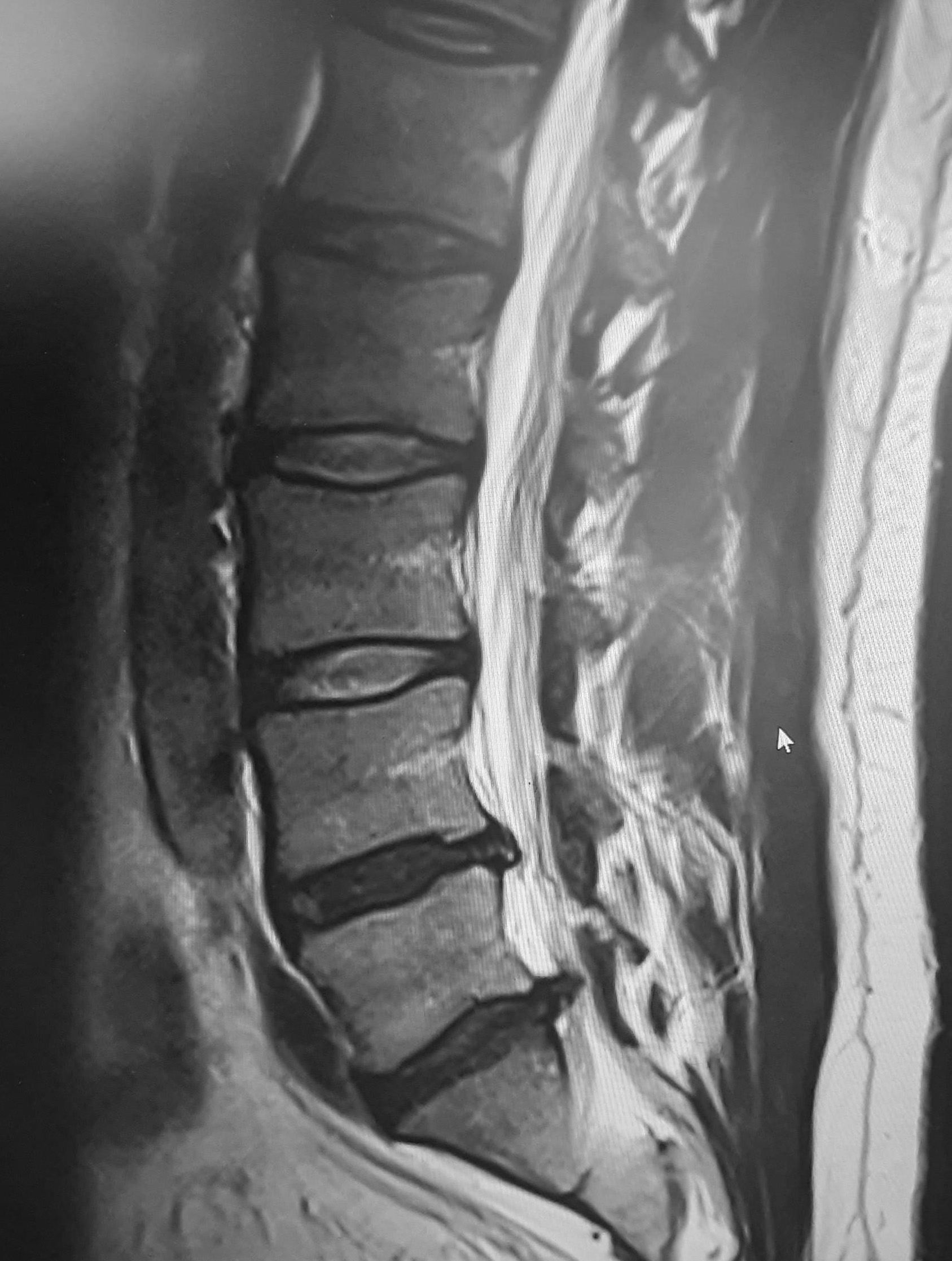
    The below images show the Degenerative Disc at L4 and L5 discs, with a buldge at L4 with inflammation, and L5 a large central to left extrusion. Endplate degradation.
    WORKING DIAGNOSIS:

    Stage 3 disc pathology with accompanied disc extrusions and joint fixations.

    TREATMENT PLAN:

    Treatment was initiated. All treatments consisted of Cox® Technic FlexionDistraction Decompression. First, Protocol 1 (3 sets of 5 four- second pumps from the taut point) was delivered after careful tolerance testing revealed no aggravation, to achieve 50% subjective and objective clinical improvement. Then Protocol 2 (full range of motion under distraction: flexion, lateral flexion, circumduction) but mainly long Y‐axis distraction would be implemented starting from L4 and L3. There were also minimal Gonstead Adjustments delivered to the sacrum, pelvis, cervical region and upper thoracics at separate sessions. Trigger points were deactivated in the gluteal medius and minimus on the left as well as piriformis. Treatment sessions were twice a week till 50% improvement was reached thereafter we moved onto once a week. Strengthening core exercises would be shown to do as homework. Correct seated posture advise will be given it at the office or on the bike.

    OUTCOME:

    The patient had a rapid response to the treatment plan. From the first session felt an improvement, the second he could sleep at night and lumbar range of motion increased with less pain. On the fourth ROM increased further and only had pain in the left gastroc, posterior to the peroneal head. Post fifth session felt ‘better than ever’. A week later we had a relapse where whole leg pain returned. Post one treatment the symptoms subsided quickly and was feeling good. After the nineth treatment the patient was able to do everything, walking with family was not a mission anymore, was able to sit at work and on the motorbike.  The nine treatment sessions were done over a three month period. It has been over a year and patient has come in for maintenance care once every two months. Last visit was 19/09/2024 where patient reported that he even plays football and basketball with his son!

    DISCUSSION:

    The one things that I have learned from Dr. James M. Cox is not to be afraid of these cases, in fact one need to address or encompass them. It is one of many cases that I have seen that proves Dr. Cox’s teachings that these cases can be helped with Cox flexion distraction decompression technic. Incidentally the patient is not doing his strength exercises, although he is working regularly on his posture. One of the important aspects one need to address to maintain the pain free state is strengthening exercises, and unfortunately way to often I hear this is not the case. I believe many of our pains are there to wake us up and for us to make a change but, I’ve noticed that once we are pain free we forget our responsibilities.

    Cox® Technic Case Report of the Month – www.coxtechnic.com ‐ sent July 2024
  • Case report 2 – Neck Pain with Left Shoulder and Arm Pain Into The Fingers Eased with Cox Technic

    Cox® Technic Case Report of the Month – www.coxtechnic.com ‐ sent July 2024
    Neck Pain with Left Shoulder and Arm Pain Into The Fingers Eased with Cox Technic

    by Niko Kalogeropoulos DC, Athens, Greece submitted on 6/12/24

    CHIEF COMPLAINT:

    This 48‐year‐old female, mother of two teenagers and self‐employed pharmacist, presented with severe cervical pain, radiating to left shoulder and left lateral elbow with pain and numbness into the left thumb, index, and tip of middle finger.

    HISTORY:

    She has been treated in the past for similar history/complaints of cervical spine pain and radiation to right arm and hand. Due to distance, she has not maintained a treatment plan until symptoms arise. This episode began two days prior to the first visit following coughing and housework with excruciating, stabbing pain in the cervical spine with radiation down the left arm unlike prior episodes of right‐sided pain and symptomatology. She reported the pain as a 10 on the VAS, 0‐10 where zero is no pain. She is unable to sleep or rotate her head which prevents her from driving. She was driven to the clinic for her first visit.

    EXAMINATION:

    Range of motion: 25 degrees if left cervical rotation and 35 degrees right, hindered hindered by pain. Left rotation produced pain down the left arm. Cervical flexion was 25 degrees, and extension was about 5 ‐10 degrees. Myotomes were +4 mainly due to pain inhibition. Reflexes were +2. Dermatomes with pinwheel revealed hypesthesia over the index finger and tip of middle finger and thumb. All other vitals were normal. No abnormalities with other systems were detected. She showed some signs of distress and exhaustion from lack of sleep.

    DIAGNOSTIC IMAGING FINDINGS:

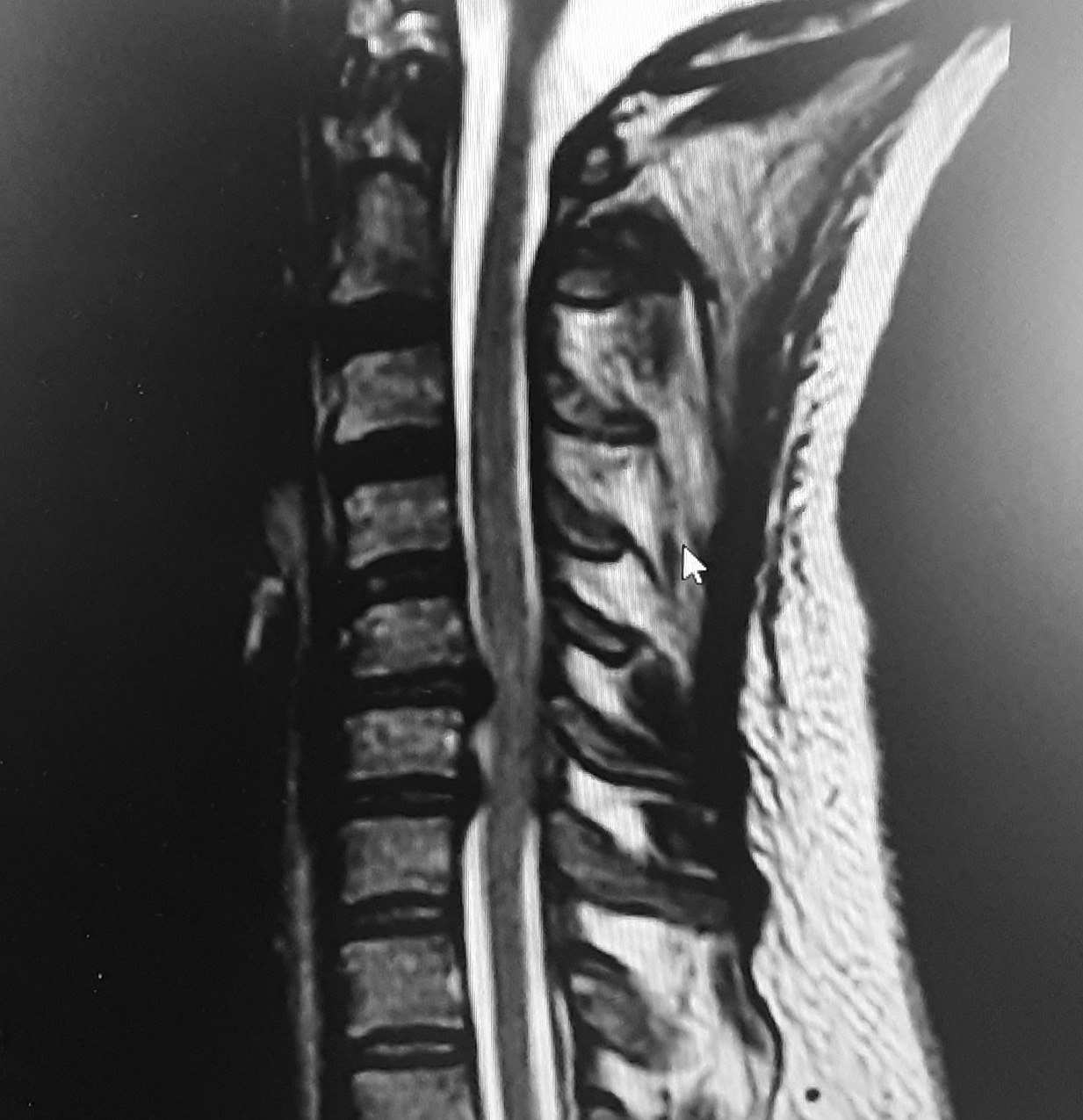
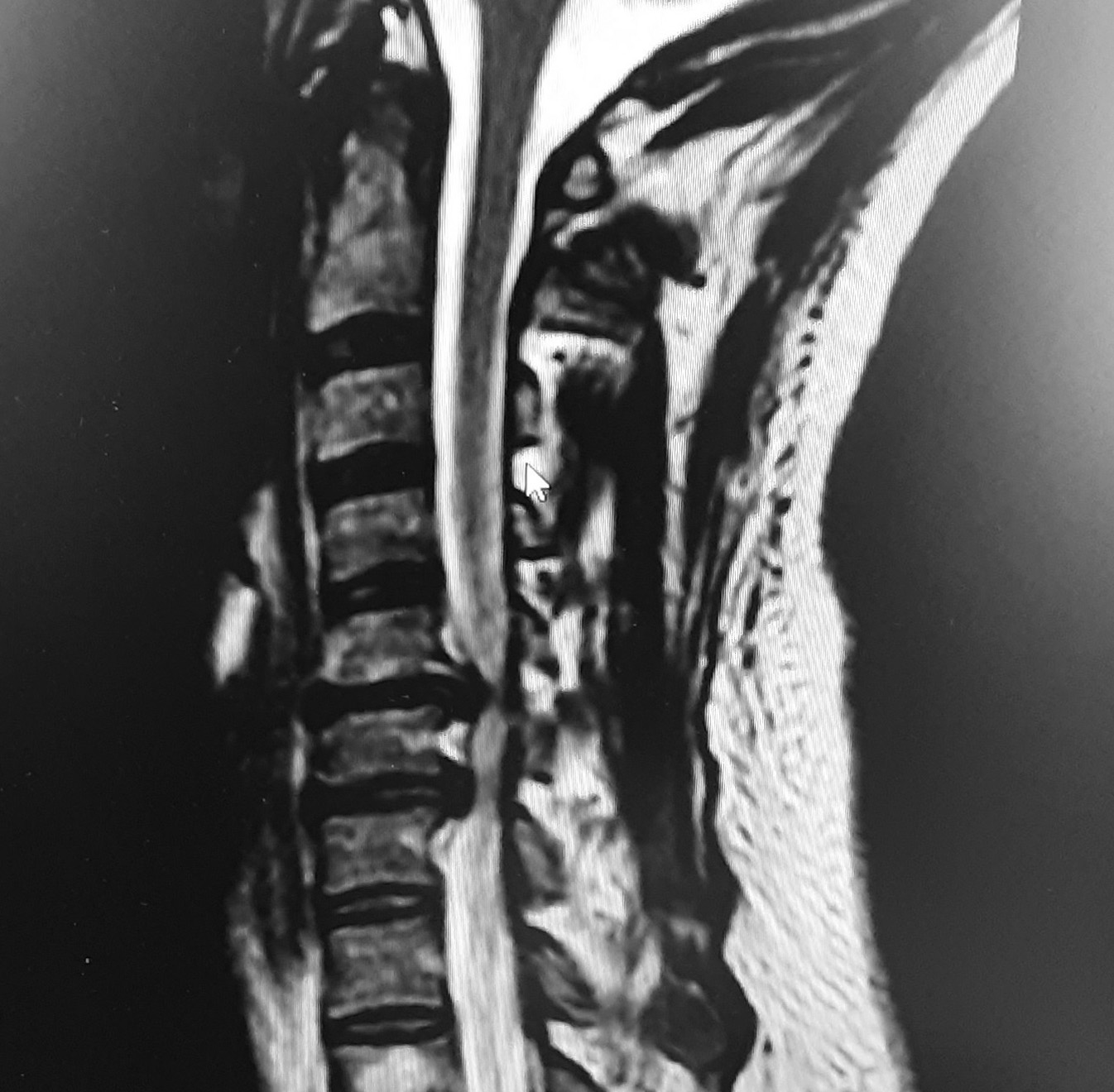
    Alordosis with gibbus formation noted at the C5‐C6 level. Advanced degenerative disc disease is visible at C5 and C6 levels with intervertebral disc extrusion applying severe compressive pressure on the spinal cord showing Kang changes (Figures 1 and 2). Figure 3 is a T2 axial cut showing right disc herniation that contacts and displaces the spinal cord. Figure 4 shows the right sided foraminal and lateral recess stenosis due to disc herniation clearly. Notably, the spinal canal is under compression, particularly the right foraminal canal which is severely to totally closed: yet, not right cervical spine or extremity pain is present, only left C6 dermatome pain.

    CASE DIAGNOSIS:

    Degenerative disc disease and disc extrusion with compressive forces on the spinal canal and nerve roots of the C5‐C6 and C6‐C7 spinal levels, affecting the C6 spinal nerve root mainly.

    TREATMENT AND FOLLOW UP:

    The patient was instructed in the initial visit that her case was a difficult one and that she needed to consult a neurosurgeon if progressive neurological signs evolved or if the pain became unbearable especially within 6‐8 visits 50% relief was not achieved  (1,2).

    Treatment consisted of long Y‐axis distraction using the Cox®8 Table’s cervical head piece, more specifically the occiput pump, and C4 arch contact. Adjustments were performed in the upper cervical spine, C1 and C2 mainly, and then when 50 % of the pain subsided, C3 and T2 and T3 areas were also treated. (3) Myofascial trigger points and functional range release of the left infraspinatus muscle was performed. The infraspinatus referred pain and numbness extending to the index finger. Ice to cervical area and infraspinatus muscle and glucosamine sulphate with chondroitin sulphate were recommended for home. As a pharmacist, the patient refused to take the suggested supplementation.

    TREATMENT OUTCOMES:

    The treatment regime consisted of progressive and rapid relief of the symptoms.

    • Visit 1 to 3 ‐ The first three sessions offered an “improvement” to a “click better,” but was able to sleep at night.
    • Visit 4 ‐ Suddenly after the fourth treatment there was a drastic increase in range of motion of the cervical spine without pain, a decreased pain to 50 % in shoulder and elbow, pain and numbness disappeared from middle finger and thumb, while only 50 % decrease in the index finger.
    • Visit 6 ‐ After the sixth treatment the hypesthesia in index finger was barely noticeable
    • Visit 8 ‐ At the eighth treatment, the patient noted no pain for most of the day!

    In summary, 8 treatments over one month were administered. Treatments are continuing at one every 10 days, and a maintenance program will be initiated.

    DISCUSSION WITH CITATION REFERENCES:

    Similar outcomes have been published regarding Cox® Technic management of disc herniations. One case of a moderate‐sized left posterolateral disc herniation at C6/C7 causing severe foraminal stenosis reported relief in 15 treatments in 10 weeks with a 2‐year follow‐up reporting stable subjective and objective findings. (4) Another case regarding a C6/C7 left posteromedial disc noted relief of neck and arm pain in 10 treatments in 4 weeks with continued relief at 8 months (5).

    REFERENCES:

    • Cox JM: Low Back Pain: Mechanism, Diagnosis, Treatment 7th ed. Philadelphia: Lippincott Williams and Wilkins, 2011, pages 445‐515

    • Cox JM: Neck, Shoulder and Arm Pain: Mechanism, Diagnosis, Treatment. 4th ed. Fort Wayne IN: Cox Technic Resource Center Inc, 2014, pages 105‐106

    • Cox JM: Neck, Shoulder and Arm Pain: Mechanism, Diagnosis, Treatment. 4th ed. Fort Wayne IN: Cox Technic Resource Center Inc, 2014, pages 74, 95‐96

    • Gudavalli S, Kruse R: Foraminal stenosis with radiculopathy from a cervical disc herniation in a 33‐year‐old man treated with flexion‐distraction decompression manipulation. Journal of Manipulative and Physiological Ther apeutics 2008; 31(5):376‐380

    • Manison A: Chiropractic management using Cox cervical flexion‐
      distraction technique for a disk herniation with left foraminal narrowing in a 64‐year‐ old man. J of Chiro Med 2011; 10(4):316‐321

    Cox® Technic Case Report of the Month – www.coxtechnic.com ‐ sent July 2024
  • Case report 1 – Chronic Lower Back and Left Leg Pain

    Cox® Technic Case Report of the Month – www.coxtechnic.com ‐ sent September 2024

    Chronic Lower Back and Left Leg Pain

    by Niko Kalogeropoulos DC, Athens, Greece submitted on 7/18/24

    CHIEF COMPLAINT:

    A 63 year old female pensioner presented to my office with a chief complaint of lower back pain radiating down the left leg, the whole leg, starting from the groin region medially radiating caudally, anterior thigh, sometimes posterior thigh, into tibia and ending into the middle three toes. These pains are chronic coming and going. Five months ago there was an exacerbation and the surgeon warned that she would need surgery to prevent cauda equina syndrome, which led her to seek my advice. The patient walks with a cane and has a guide dog. There is a slight forward flexed antalgia and a slight waddle gait.

    HISTORY:

    History revealed no major traumas, many minor falls on a few steps and smooth pavement. She reports intestinal problems of bloating and indigestion. She has had hepatitis, gynecological problems, and polyarthritis. She is a smoker. She takes various medications, pain killers, and anti‐ inflammatories consistently.

    EXAMINATION:

    Palpation revealed fixations in the sacrum, L5 region, upper thoracic spine, and thoracolumbar region. SLR reproduced some of the pain at 70 degrees. All lumbar ranges of motion were decreased not so much due to pain but inability to do them. For example, forward flexion was only performed if she held onto something like a cane or a wall. Myotomes, hip flexors, quad and hamstrings were +4, patella and Achilles reflexes were +1.

    The difficulty of this case was presented to the patient accompanied with an explanation that an outcome of 40% improvement in terms of pain and mobility was the goal. The patient was advised that exercise was her responsibility once I showed her some simple strengthening exercises.

    IMAGING:

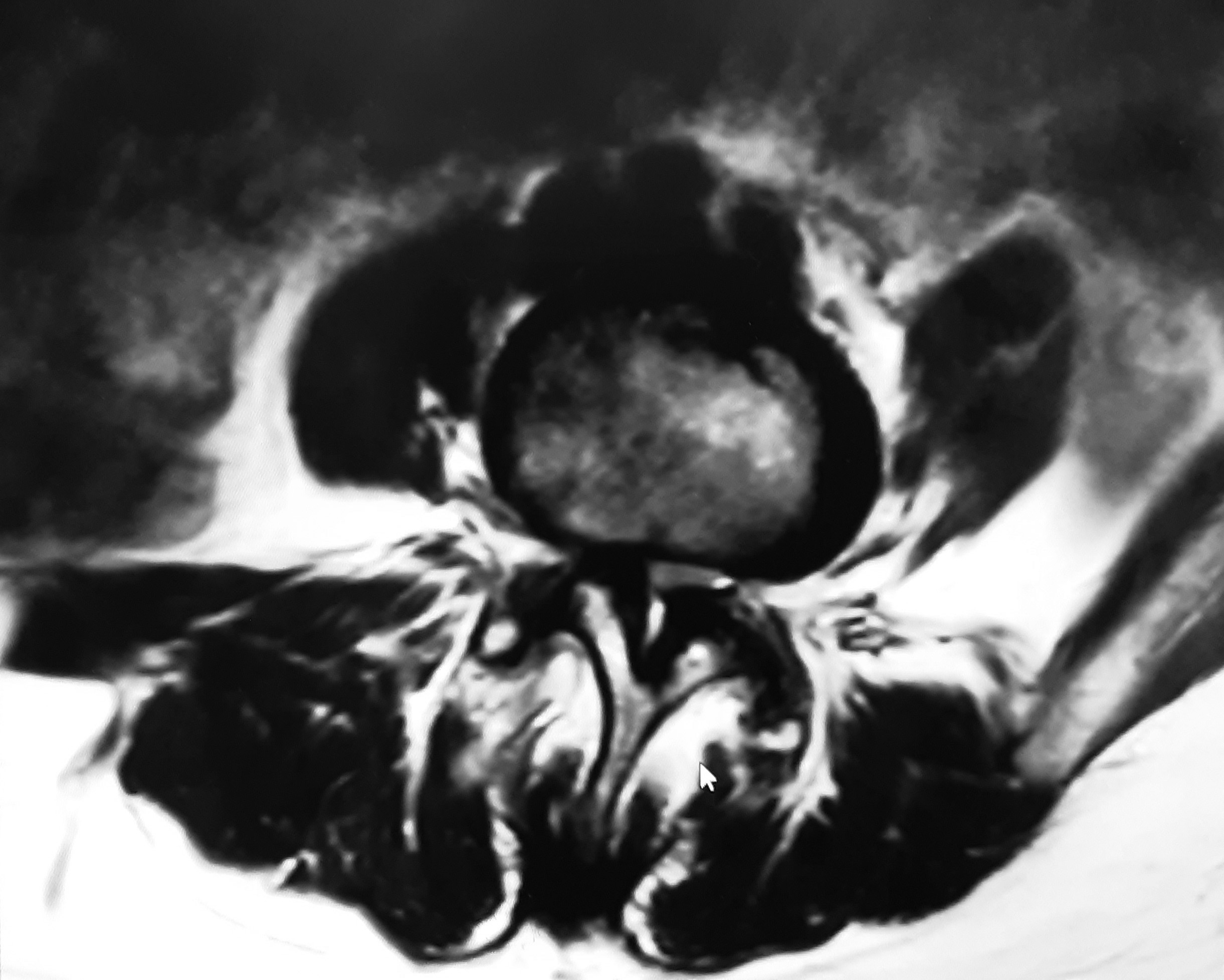
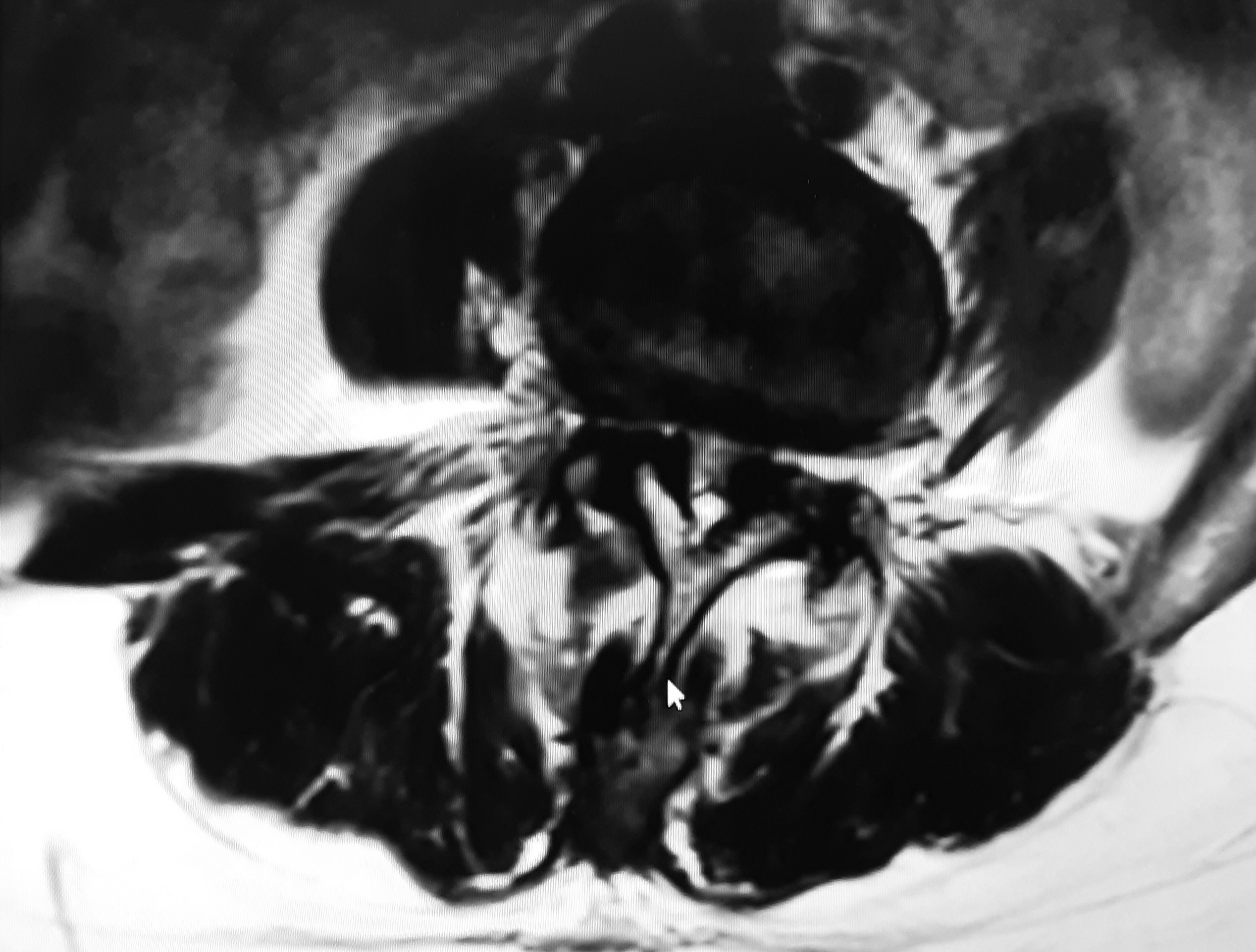
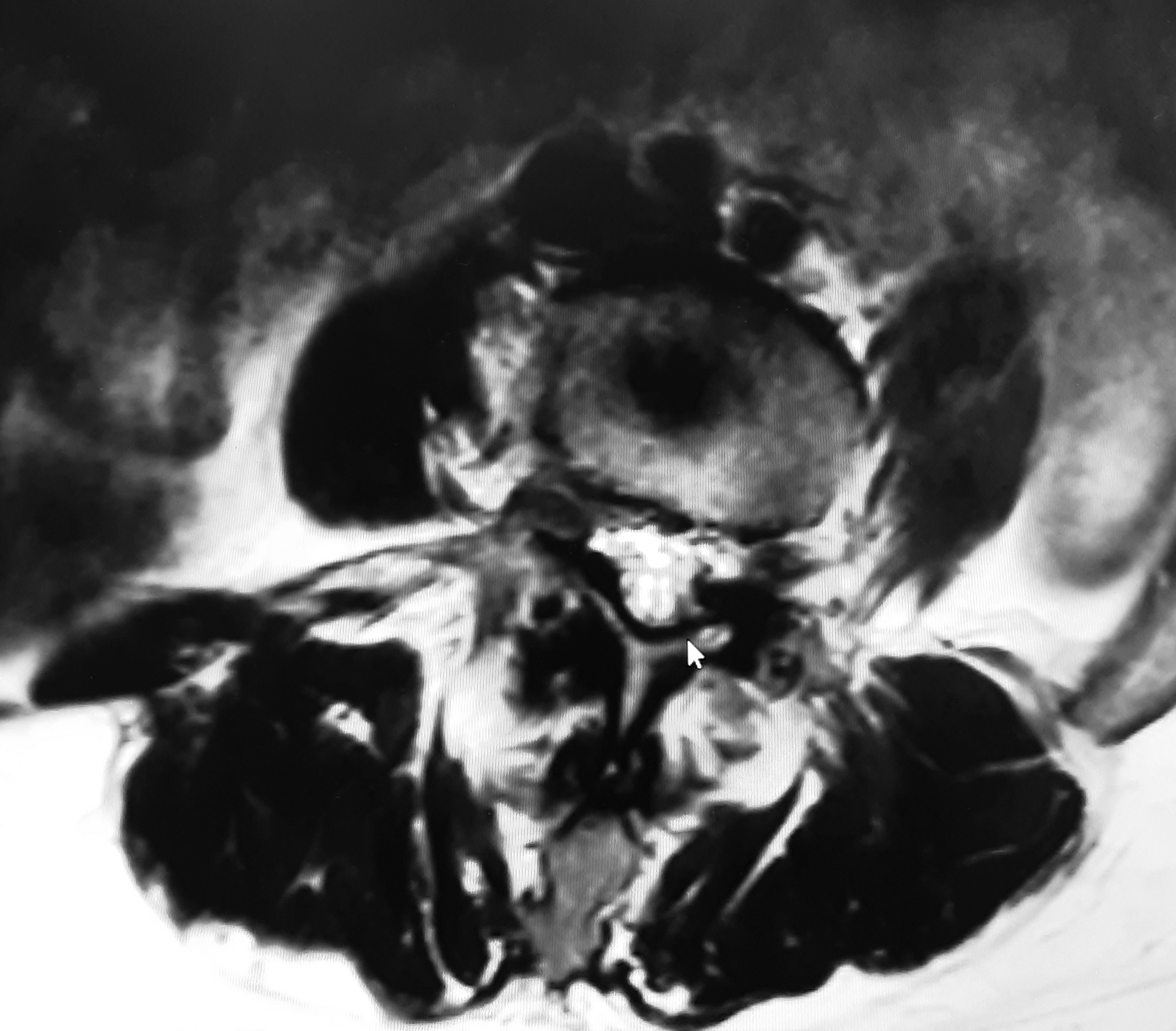
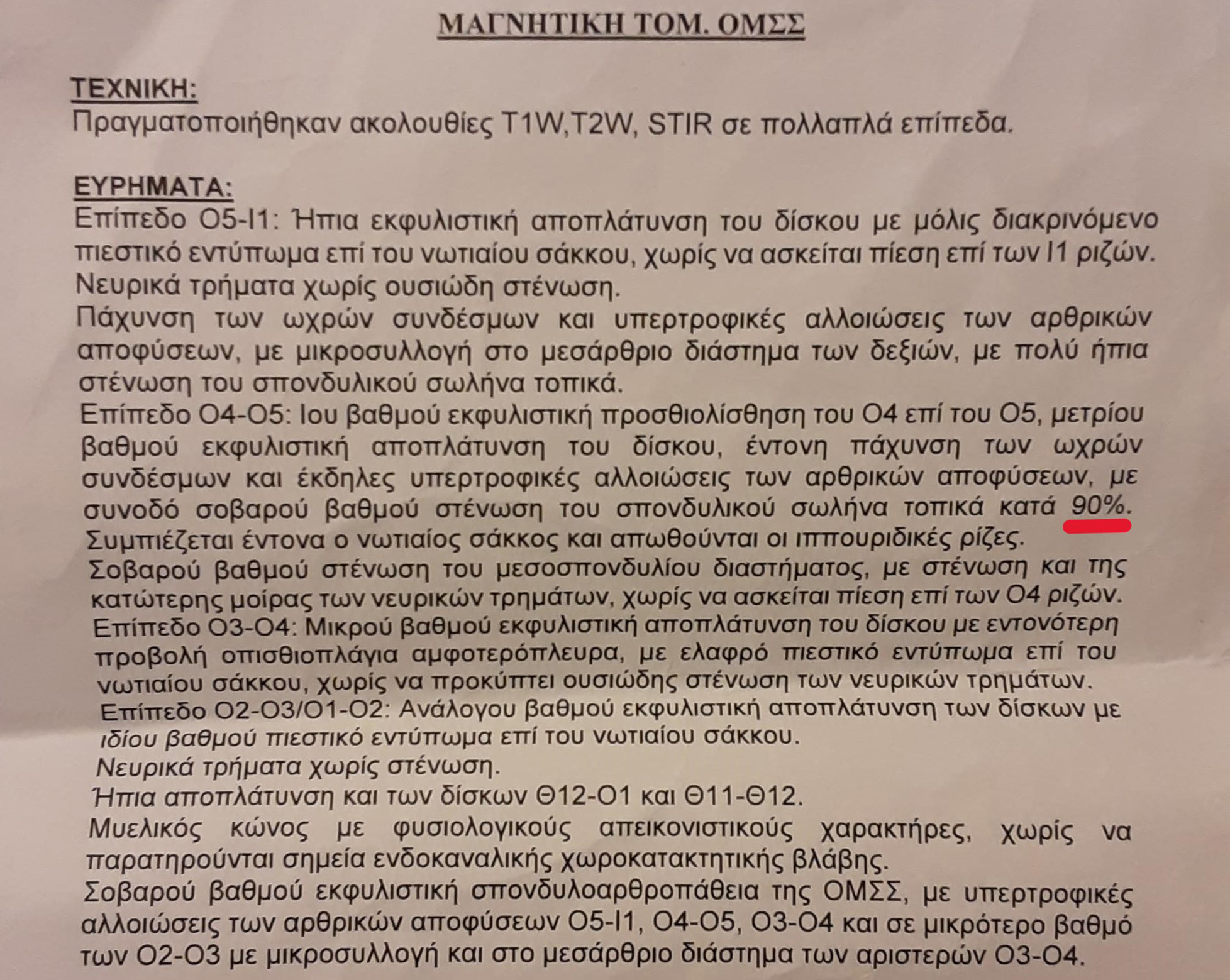
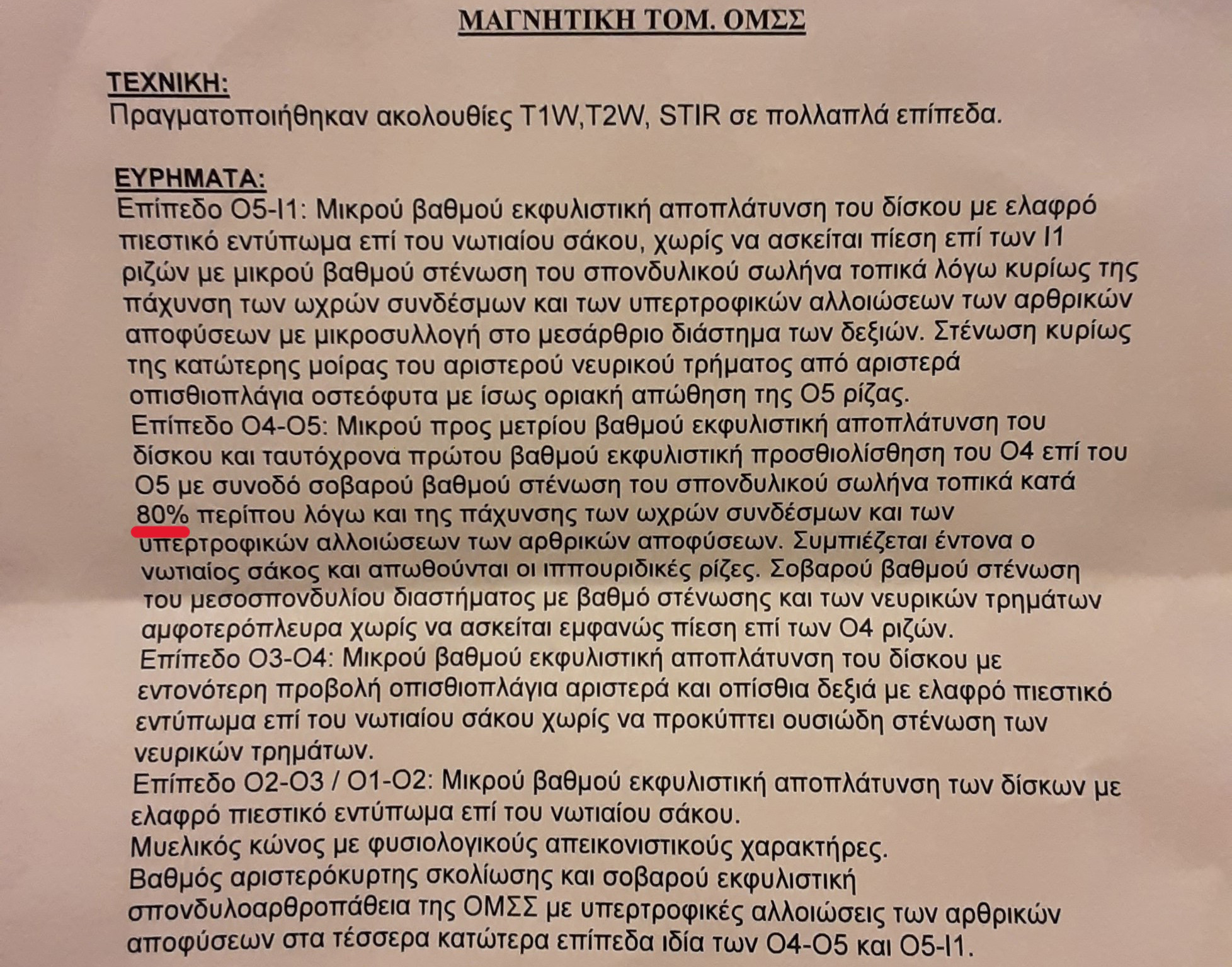
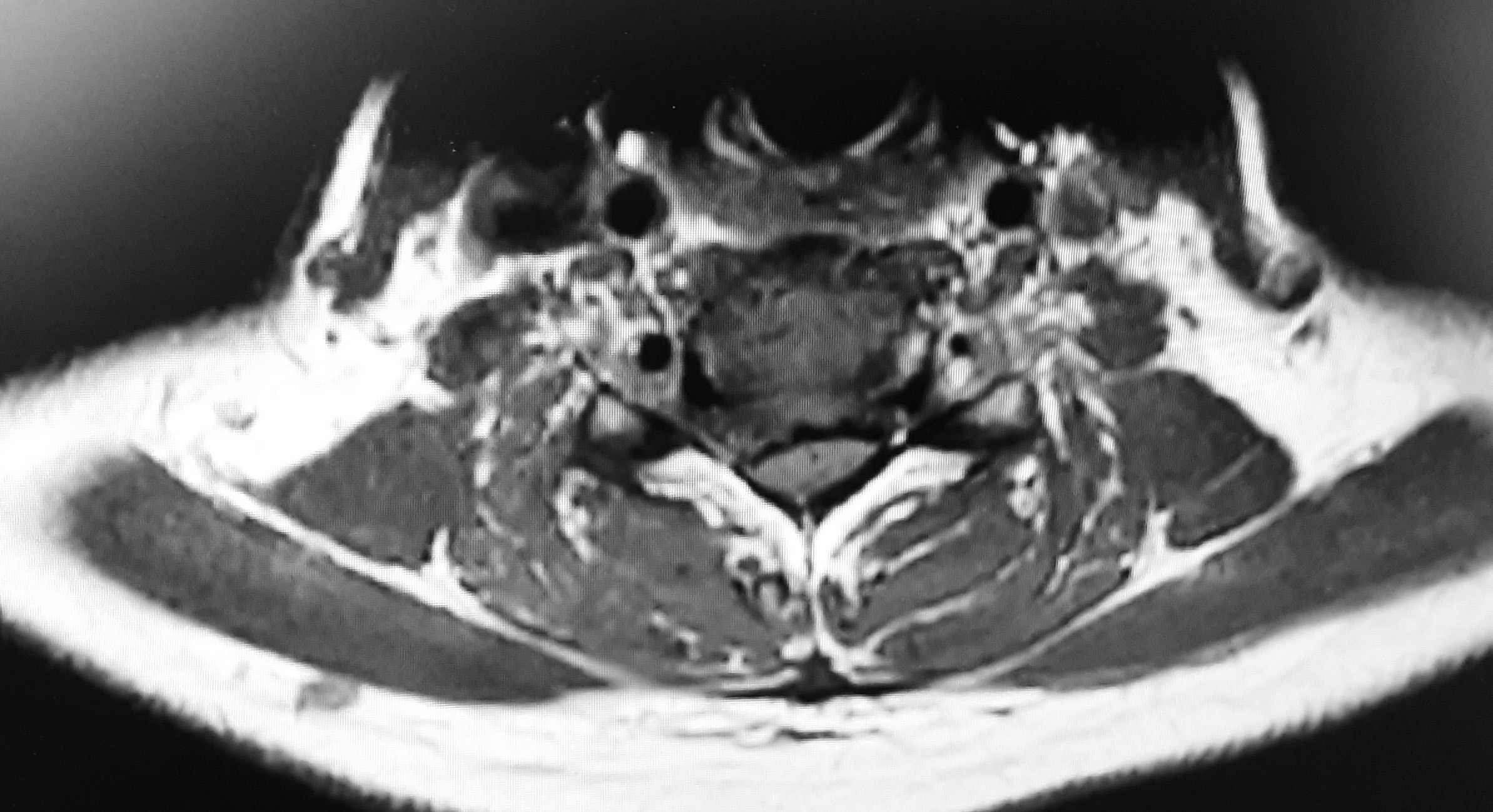
    The first set of images are the ones she brought with her. The second set of images were taken a year later.

    The images that follow are from May 2023 clearly showing the advanced degenerative disc disease, anterior osteophytic change, degenerative joint disease, antero‐spondylolisthesis bordering grade 1 with grade 2, arthritic change, protrusions, herniations, hypertrophy of the ligament flavum, the scoliosis, muscle atrophy.

    May 2023

    May 2024

    TREATMENT PLAN:

    Treatment was initiated. All treatments consisted of Cox® Technic Flexion Distraction Decompression. First, Protocol 1 – 3 sets of 5 four‐second pumps from the taut point – was delivered after careful tolerance testing revealed no aggravation, then Protocol 2 – full range of motion under distraction: flexion, lateral flexion, circumduction – but mainly long Y‐axis distraction starting from L3 and then moving cephalad. Trigger point therapy was utilized over the gluteal muscles bilaterally and piriformis on the left. On a couple of occasions, I adjusted the left Alar using the drop piece and the upper thoracic spine.

    Advice was given to prevent certain movements like bending, lifting and twisting, but it was not followed because of her daily routine of feeding cats and dogs and generally looking out for and after stray animals.

    Strengthening exercises were attempted to stabilize the lumbar spine as well as correct walking posture.

    Supplements were suggested in the form of Chondroitin Sulphate and Glucosamine Sulphate as Dr. Cox suggests, but lack of funds prevented her from following this advice.

    OUTCOME:

    The patient is still in pain though not as severe and still takes medication. She has not changed her lifestyle, but her mindset is away from the surgery the doctors had recommended for her. She was warned of possible cauda equina syndrome.

    Dr. J. Cox has repeatedly proven that spinal canal stenosis can be reduced, thereby increasing the canal, and I think that this case, although slowly, supports Dr. Cox’s tenets.

    Dr. COX COMMENTS:

    Good mentally stimulating case. This case brings these facts in focus:

    1. There is advanced L4‐5 degenerative spondylolisthesis with ligamentum flaval hypertrophy and facet degenerative arthritis.

    2. Lowering nerve compression to 20 mm can render relief for radicular pain.

    3. Decrease of inflammatory type I cytokines such as tumor necrosis factor alpha, IL6 and IL1B have been shown to decrease with spine manipulation and mobilization.

    4. How is the patient’s decision to accept the relief or go to surgery. Also continue to work with core stabilization, multifidus muscle strengthening and lowering fat infiltration. Nutrition with perna canaliculus is needed. Tumeric for inflammation reduction is needed. It also appears that ADLs need discussion as her animal work probably aggravates her pain. Strange as it may sound, wearing a lumbosacral support may give more relief.


    I like this case as it appears to render sufficient relief to make her life better.

    James M. Cox DC, DACBR

    Cox® Technic Case Report of the Month – www.coxtechnic.com ‐ sent September 2024